Plan the whole chain, not just the deck
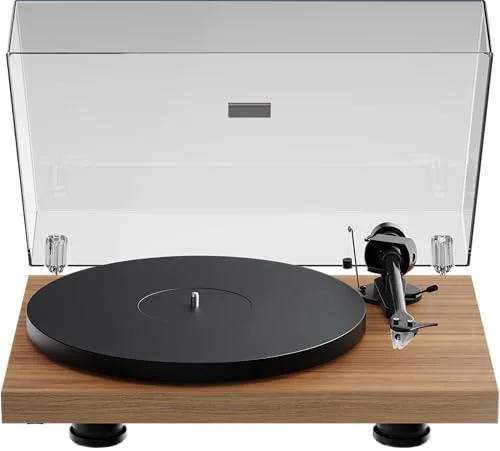
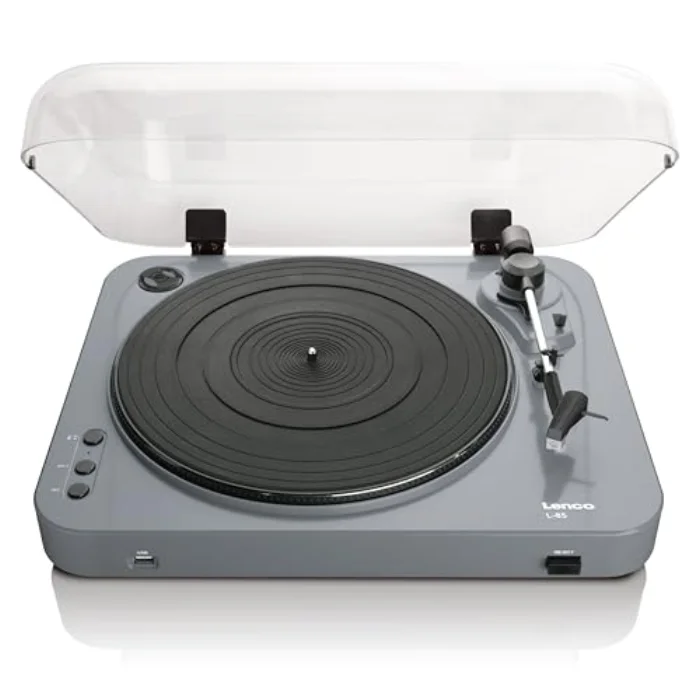
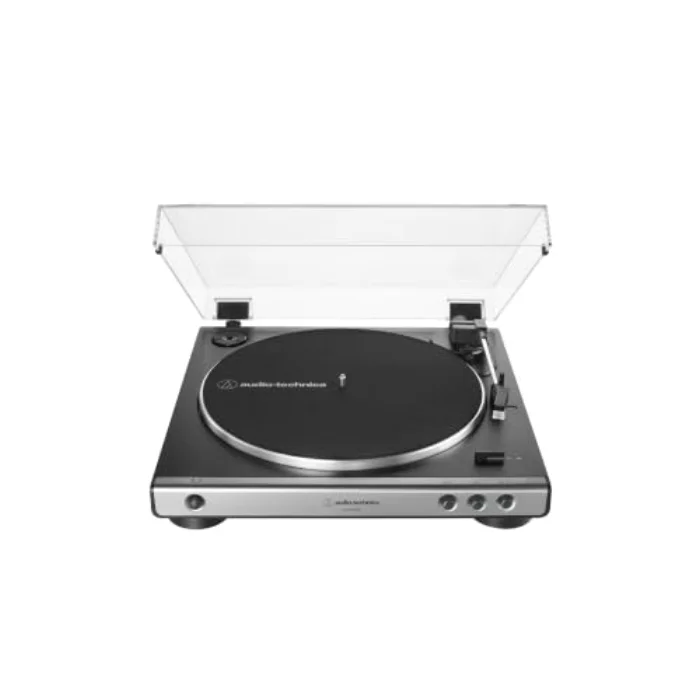
The most common reason a new vinyl setup disappoints is buying the turntable in isolation. A turntable produces a tiny signal that needs a phono preamp to raise it to a normal level and correct its tone, and then an amplifier and speakers to play it. Some decks include the phono preamp and can drive powered speakers directly; others assume you already have a phono input on your amplifier. Decide your route before you choose a deck: a self-contained deck like the Audio-Technica AT-LP60X into powered speakers, or a purist deck like the Pro-Ject Debut Carbon EVO into a proper amplifier. Our explainer on whether you need a phono preamp covers this in full.
Drive type, cartridges and platters
You will read a lot about belt-drive versus direct-drive. In short, belt-drive isolates the platter from motor vibration and tends to suit relaxed home listening, which is why most hi-fi decks use it; direct-drive reaches speed instantly and holds it precisely, which is why DJs and people digitising records prefer it. It is a genuine choice, not a quality ranking, and our belt-drive versus direct-drive guide goes deeper.
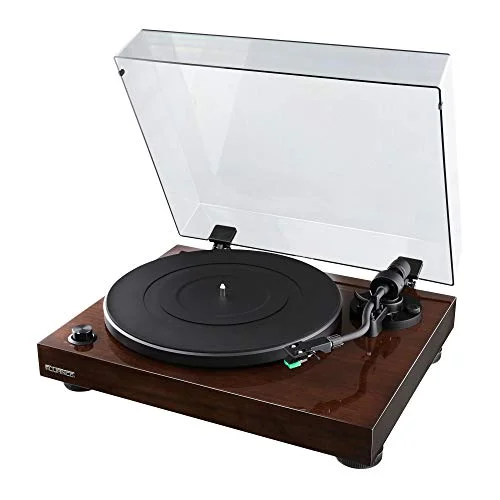
More important to the sound than drive type is usually the cartridge, the small component that reads the groove, and the platter the record sits on. A better cartridge tracks more accurately and pulls out more detail, and a heavier platter spins more steadily and keeps a quieter background. This is exactly why a deck like the Fluance RT81, with its aluminium platter and respected cartridge, sounds clearly better than a basic player. Where you can, prioritise a deck with a decent cartridge and the ability to upgrade it later.
Features worth paying for, and ones you can skip
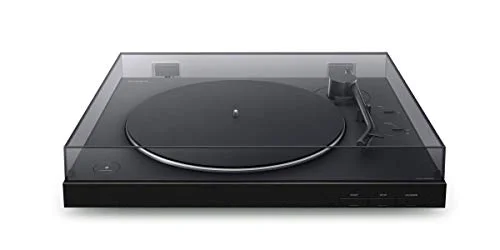
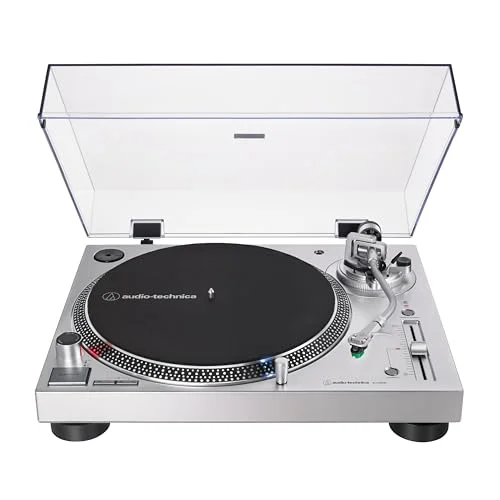
A few features genuinely change how you live with a deck. A built-in phono stage lets a turntable plug into almost anything, which is a real convenience. A fully automatic arm lifts, lowers and returns itself, protecting the stylus and making life easy for beginners. Bluetooth output, as on the Sony PS-LX310BT, lets you play records on wireless speakers, and a USB output, as on the Audio-Technica AT-LP120X, lets you digitise your collection. Choose the one or two of these you will actually use.
Other things matter less than the marketing suggests. Endless connectivity options you will never touch add cost without benefit, and a long features list is no substitute for a well-built deck with a good cartridge. Above all, avoid very cheap all-in-one suitcase players: their heavy ceramic cartridges press hard on the groove and can wear your records over time, so they are a false economy if you care about your vinyl.
How much to spend
You do not need to spend a fortune for a good deck, but spending too little is a trap. Around 100 to 150 pounds buys a reliable, fully automatic deck that sounds good and treats records kindly. Step up to roughly 250 to 300 pounds and you gain a better build, platter and cartridge for an audible improvement. Beyond about 400 pounds you reach genuinely audiophile decks built to be kept and upgraded. Below roughly 80 pounds, you usually get a basic player that can damage your records, which is the one place we would urge you not to economise.